Blog
In-depth articles on peptide science, research guides, and industry insights from the Volta Peptides team.

Influenza A Matrix Protein 1: Structure, Functions, and Role in Viral Replication
Matrix protein 1 (M1) is the most abundant protein in the influenza virion, playing essential roles in virus entry, uncoating, assembly, and budding. This article details M1's structure, its interactions with viral components like vRNPs and the M2 ion channel, and its critical functions throughout the viral life cycle. Understanding M1 is key to developing antiviral strategies.
Peptide Stability: Factors Affecting Degradation in Research Settings
Understanding the chemical and physical degradation pathways that affect research peptides — temperature, pH, oxidation, aggregation, and how to minimize each in your laboratory.
TIL Therapy for Melanoma: Targeting MAAs and Neoantigens
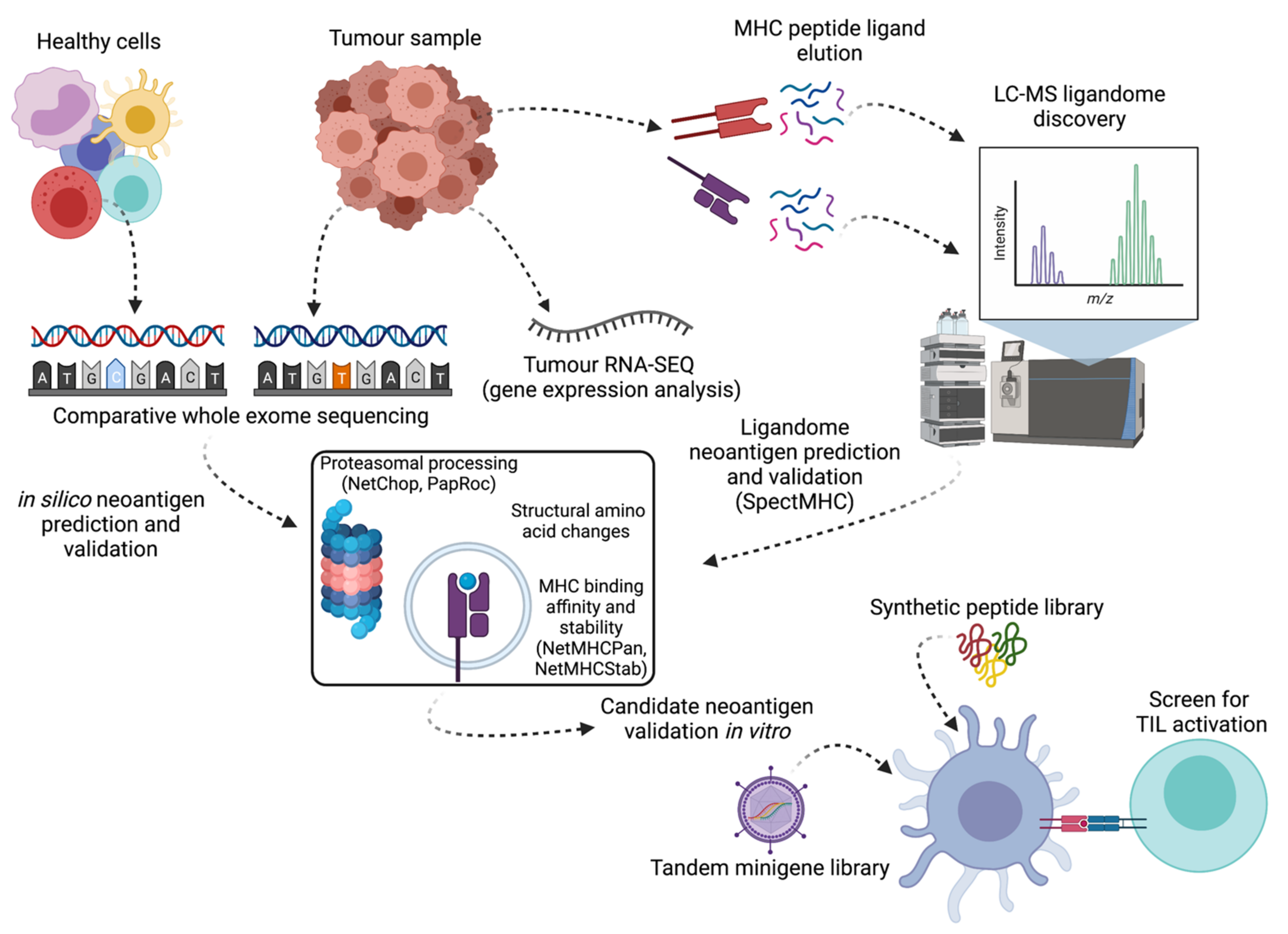
Tumor-infiltrating lymphocytes (TILs) are immune cells that migrate into the tumor microenvironment and recognize two main antigen classes: melanoma-associated antigens (MAAs) and patient-specific neoantigens. This article explains the mechanisms, key antigens like PRAME and MART-1, strategies to enrich potent TIL populations, and the translational outlook in melanoma immunotherapy.

Peptide Mass Calculator: Molecular Mass and Key Properties for Research
A peptide mass calculator helps researchers determine molecular mass, sum formula, XlogP, TPSA, Van-der-Waals volume, and counterion counts for peptide sequences. This article explains these properties, how the calculator works, and the difference between molecular mass and molar mass for accurate lab work.
What Makes a Research Peptide 'High Purity'? Standards Explained
Breaking down what 'high purity' actually means for research peptides — the analytical standards, testing methods, and quality benchmarks that distinguish research-grade from crude material.

MHC Class I vs II Peptide Binding: T Cell Presentation Explained
Adaptive immunity relies on T cell recognition of peptide-MHC complexes. MHC class I binds short endogenous peptides (8-10 amino acids) in a closed groove, presenting to CD8+ cytotoxic T cells. MHC class II binds longer exogenous peptides (13-25 amino acids) in an open groove, presenting to CD4+ helper T cells. Understanding these structural and functional differences is key for designing peptide-based vaccines and T cell assays.

Epstein-Barr Virus: Biology, Entry, and Early Infection Mechanisms
Epstein-Barr virus (EBV), first identified in 1964 in Burkitt's lymphoma, is a human herpesvirus that establishes lifelong persistence in memory B cells. This article covers EBV's virion structure, cell entry pathways into epithelial cells and B lymphocytes, and the pre-latent phase where viral gene expression begins to reprogram host cells for survival.
Privacy Policy Overview: Data Protection and Your Rights
This privacy policy explains how personal data is collected, used, and protected when you visit our website. It covers data recording, purposes, your rights under GDPR, and details about external hosting and third-party tools. Understanding these practices helps you control your information.
GLP-1 Receptor Agonist Peptides: A 2026 Research Landscape
An overview of the GLP-1 receptor agonist research landscape in 2026, covering semaglutide, tirzepatide, retatrutide, and emerging dual- and triple-agonist peptides.

Anti-Aging Peptides: Research Compounds for Metabolism, Muscle, and Tissue Health
Explore a curated selection of anti-aging research peptides including BPC-157, GHK-CU, KPV, MOTS-C, NAD+, Retatrutide, SS-31, TB-500, and others. These compounds are studied for their potential roles in metabolism support, muscle growth, weight loss, and skin, tissue, and bone health. Average purity across products is 99.77%.
Research Peptide Reconstitution: A Laboratory Protocol Guide
Step-by-step protocols for reconstituting lyophilized research peptides, including solvent selection, concentration calculations, and common mistakes to avoid.
TB-500 (Thymosin Beta-4): Research Overview & Preclinical Data
An overview of TB-500, the synthetic fragment of Thymosin Beta-4, covering its role in actin regulation, preclinical wound healing data, and current research directions.
Understanding HPLC Purity Testing in Peptide Research
An in-depth look at how HPLC works, why it's the gold standard for peptide purity analysis, and how to interpret chromatographic data in COA documents.
Peptide Storage Best Practices for Laboratories
Proper storage conditions are critical for maintaining peptide integrity. This guide covers temperature, light, moisture, and reconstitution storage protocols for research laboratories.
How to Read a Certificate of Analysis (COA) for Peptides
A practical guide to interpreting COA documents for research peptides — understanding HPLC chromatograms, mass spectrometry data, and what each quality metric means for your research.
Semaglutide vs Tirzepatide: A Research Comparison
Comparing the mechanisms, receptor pharmacology, and preclinical profiles of semaglutide and tirzepatide — two of the most studied GLP-1 receptor agonist peptides in modern research.
What Is BPC-157? Mechanism, Research & Purity Standards
A comprehensive overview of Body Protection Compound-157, its mechanism of action in preclinical models, key research findings, and what to look for in purity documentation.

Imperial Sciences Serves as Parent Platform for Imperial Peptides UK
Imperial Sciences acts as the parent platform supporting Imperial Peptides UK amid growing demand in the UK research peptides market. It handles wider catalogue organization, research infrastructure, and long-term development while keeping operational standards intact. Researchers continue to receive UK dispatch, batch-specific Certificates of Analysis, and independent testing from lyophilised products with clear traceability.
Cell-Penetrating Peptides Aid Intracellular Delivery
Over the last decade, researchers have studied cell-penetrating peptides for delivering cargoes across cell membranes. These peptides carry low molecular weight drugs, imaging agents, peptides, oligonucleotides, proteins, and carriers like liposomes and polymeric nanoparticles. Their non-toxic membrane crossing boosts drug bioavailability, though uptake mechanisms remain unclear.
Novo Nordisk Presents Oral Semaglutide Phase 3a Trial Data at ADA
Novo Nordisk shared recent findings from two phase 3a trials of oral Semaglutide at the American Diabetes Association annual meeting. The drug reduced A1C levels and supported weight loss in type 2 diabetes patients compared to controls. Results from PIONEER 2 and PIONEER 4 trials showed significant improvements in blood sugar control and body weight.

Broad Opportunities in Polypeptide Drug Development
More than 7,000 natural polypeptides have been identified, playing roles in human physiology such as hormones and neurotransmitters. Therapeutic polypeptides are seeing renewed commercial interest after wide use in pharmaceuticals over the past decade. Advances in multifunctional peptides like GLP-1 agonists and cell-penetrating technologies promise expanded applications despite challenges.
GnRH3 Neuropeptide Regulates PGC Proliferation and Sex Differentiation in Zebrafish
Researchers at the Institute of Hydrobiology, Chinese Academy of Sciences, discovered that GnRH3 neuropeptide controls primordial germ cell proliferation and sex differentiation in zebrafish. Using gene-edited mutants, they found reduced PGC numbers and more males in adults. The findings appear in Endocrinology.
Overview of Antioxidant Peptides from Plant Proteins
Recent studies highlight the antioxidant properties of peptides from plant proteins. These peptides offer potential for treating oxidation-related diseases, delaying food oxidation, and improving quality of life. The article covers preparation, purification, identification, influencing factors, evaluation methods, and mechanisms of these peptides.

Imperial Peptides UK Alerts on Fake Sites and Impersonators
Imperial Peptides UK has identified fraudulent websites and accounts copying their brand. They list five official websites and one Telegram channel while confirming no presence on X or Twitter. Customers face risks like unverified peptides and payment fraud, so verification is essential before ordering.
Showing 24 of 183 posts